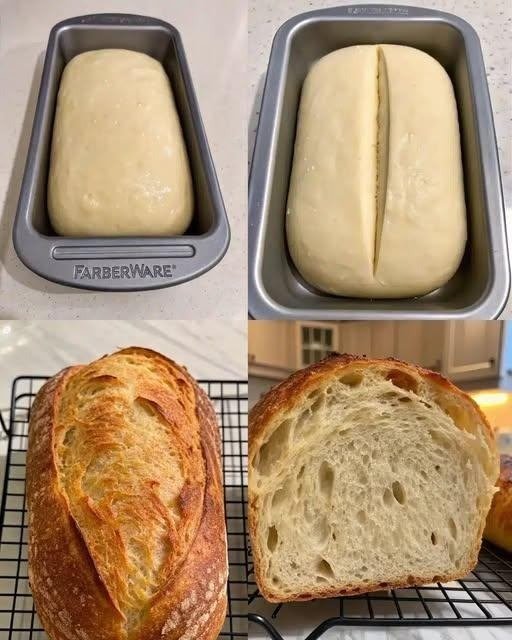

There’s something truly special about baking your own bread at home, especially when it’s a soft, fluffy sourdough sandwich loaf. The aroma of freshly baked bread filling the kitchen, the golden crust coming straight from the oven, and that first warm slice spread with butter create a simple pleasure that never gets old. While traditional artisan sourdough breads are known for their chewy texture and large open crumb, this Soft & Fluffy Sourdough Sandwich Bread offers a completely different experience. It is tender, light, easy to slice, and perfect for everyday sandwiches, toast, and breakfast recipes.
This homemade sourdough sandwich bread combines the rich flavor of natural fermentation with the soft texture most people love in sandwich bread. The sourdough starter adds a mild tang and depth of flavor, while butter and honey help create a moist, tender crumb that stays soft for days. The result is a loaf that tastes wholesome, homemade, and far better than anything you can buy at the grocery store.
Whether you are an experienced sourdough baker or just starting your sourdough journey, this recipe is simple, reliable, and rewarding. Once you taste this homemade loaf, it may become your favorite bread recipe for weekly baking.
Why You’ll Love This Sourdough Sandwich Bread
There are countless reasons why home bakers love this recipe. Unlike some sourdough breads that can feel dense or overly chewy, this loaf is soft and fluffy while still maintaining the wonderful flavor that makes sourdough so popular.
Some reasons to love this bread include:
- Soft and fluffy texture
- Perfect for sandwiches and toast
- Mild sourdough flavor
- No commercial yeast needed
- Easy to slice without crumbling
- Stays fresh for several days
- Great for meal prep and freezing
- Made with simple pantry ingredients
The combination of flavor, texture, and versatility makes this bread ideal for everyday use.
Ingredients You’ll Need
One of the best things about this recipe is that it uses simple ingredients that work together to create a beautiful loaf.
500g Bread Flour
Bread flour provides structure and strength to the dough. Because it contains more protein than all-purpose flour, it develops stronger gluten, resulting in a taller and softer loaf.
100g Active Sourdough Starter
A healthy, active sourdough starter is essential. Make sure your starter is bubbly, recently fed, and at its peak activity before mixing the dough.
300g Warm Water
Warm water helps encourage fermentation and makes the dough easier to combine.
40g Honey or Sugar
Honey adds a gentle sweetness while helping the bread retain moisture. Sugar can be used as a substitute if preferred.
40g Unsalted Butter
Butter adds richness and contributes to the soft, tender crumb that makes this loaf so enjoyable.
10g Salt
Salt enhances flavor and strengthens the dough structure while helping control fermentation.
How to Make Soft & Fluffy Sourdough Sandwich Bread
Step 1: Mix the Dough
In a large mixing bowl, combine the active sourdough starter, warm water, and honey. Stir until the starter is mostly dissolved and the mixture appears slightly cloudy.
Add the bread flour and mix until a rough, shaggy dough forms. The dough may look uneven at first, which is completely normal.
Cover the bowl and allow the dough to rest for about 30 minutes. This stage, known as autolyse, allows the flour to absorb the water fully and begins gluten development naturally.
Step 2: Add Salt and Butter
After the resting period, add the softened butter and salt to the dough.
Knead by hand for approximately 8–10 minutes, or use a stand mixer for 5–6 minutes on medium speed. Initially, the dough may feel slippery due to the butter, but continue kneading until it becomes smooth and elastic.
A properly kneaded dough should stretch easily without tearing and feel soft to the touch.
Step 3: Bulk Fermentation
Transfer the dough to a lightly greased bowl and cover it.
Allow the dough to rise at room temperature for 4–6 hours, or until it has doubled in size. The exact timing depends on your kitchen temperature and the strength of your sourdough starter.
During fermentation, the dough develops flavor and structure. Patience during this stage is one of the keys to successful sourdough baking.
Step 4: Shape the Loaf
Once the dough has doubled, gently transfer it to a lightly floured surface.
Press it into a rectangle and carefully roll it into a tight log. Creating surface tension during shaping helps the bread rise upward during baking and produces a beautiful loaf shape.
Place the shaped dough seam-side down into a greased 9×5-inch loaf pan.
Step 5: Final Proof
Cover the loaf pan loosely and allow the dough to rise again.
This second rise usually takes 2–4 hours. The dough should rise about one inch above the rim of the loaf pan and look puffy and airy.
To check readiness, gently press the surface with your finger. If the indentation slowly springs back, the loaf is ready to bake.
Avoid over-proofing, as this can weaken the dough structure and cause collapse during baking.
Step 6: Bake
Preheat your oven to 375°F (190°C).
Bake for 35–40 minutes, or until the loaf develops a rich golden-brown crust.
The bread should sound hollow when tapped on the bottom. For more accuracy, use a thermometer. The internal temperature should reach approximately 200°F (93°C).
If the top begins browning too quickly, loosely cover it with aluminum foil during the final minutes of baking.
Step 7: Cool Completely
Once baked, remove the loaf from the pan and place it on a wire rack.
Allow the bread to cool completely before slicing. Cutting into warm bread can result in a gummy texture because the crumb has not fully set.
Cooling ensures beautiful slices and the perfect texture.
Overnight Refrigeration Method
One of the great advantages of sourdough baking is flexibility.
After shaping the loaf, place it in the loaf pan, cover it, and refrigerate overnight. The next day, allow the dough to sit at room temperature until slightly puffy before baking.
This slow fermentation develops deeper flavor and makes scheduling your baking much easier.
Tips for Perfect Sourdough Sandwich Bread
Use a Strong Starter
A healthy starter should double in size within 4–6 hours after feeding. Weak starters often lead to dense loaves and poor rise.
Don’t Rush the Process
Sourdough baking requires patience. Allow the dough enough time to ferment fully for the best flavor and texture.
Choose Bread Flour
Bread flour provides superior structure and creates the softest sandwich loaf possible.
Add Butter at the Right Time
Incorporating butter after the initial mixing helps create a richer crumb without interfering with hydration.
Maintain Proper Temperature
Warm room temperatures encourage healthy fermentation and improve rise.
Storage Instructions
Because homemade bread contains no preservatives, proper storage is important.
Store the loaf in an airtight container, bread bag, or wrapped in a clean kitchen towel at room temperature for up to four days.
Avoid refrigerating bread, as cold temperatures can cause it to dry out more quickly.
For longer storage, slice the loaf and freeze it for up to three months. Individual slices can be toasted directly from frozen whenever needed.
Delicious Ways to Serve Sourdough Sandwich Bread
This bread is incredibly versatile and works for countless meals.
Try it with:
- Peanut butter and jelly
- Grilled cheese sandwiches
- Avocado toast
- French toast
- Egg breakfast sandwiches
- Turkey sandwiches
- Garlic toast
- Homemade croutons
- Tuna salad sandwiches
- Cinnamon toast
Its soft texture and rich flavor make every meal more enjoyable.
Frequently Asked Questions
Can I Use All-Purpose Flour?
Yes, but bread flour produces a softer, taller loaf with better structure.
Why Is My Bread Dense?
Dense bread is often caused by an inactive starter, under-proofing, or insufficient kneading.
Can I Freeze This Bread?
Absolutely. Slice the loaf before freezing for convenient storage and easy serving.
Is This Bread Very Sour?
No. This recipe creates a mild sourdough flavor that appeals to most people.
Final Thoughts
Soft & Fluffy Sourdough Sandwich Bread is the perfect combination of traditional sourdough flavor and everyday sandwich bread texture. It is light, tender, easy to slice, and versatile enough for breakfast, lunch, and snacks.
The natural fermentation process gives the loaf a rich depth of flavor, while butter and honey ensure every slice remains soft and moist. Whether you’re making simple toast in the morning or packing sandwiches for the family, this bread delivers homemade goodness in every bite.
Once you experience the taste and texture of freshly baked sourdough sandwich bread, it becomes difficult to return to store-bought loaves. With its beautiful rise, soft crumb, and incredible flavor, this recipe is one you’ll want to bake again and again.