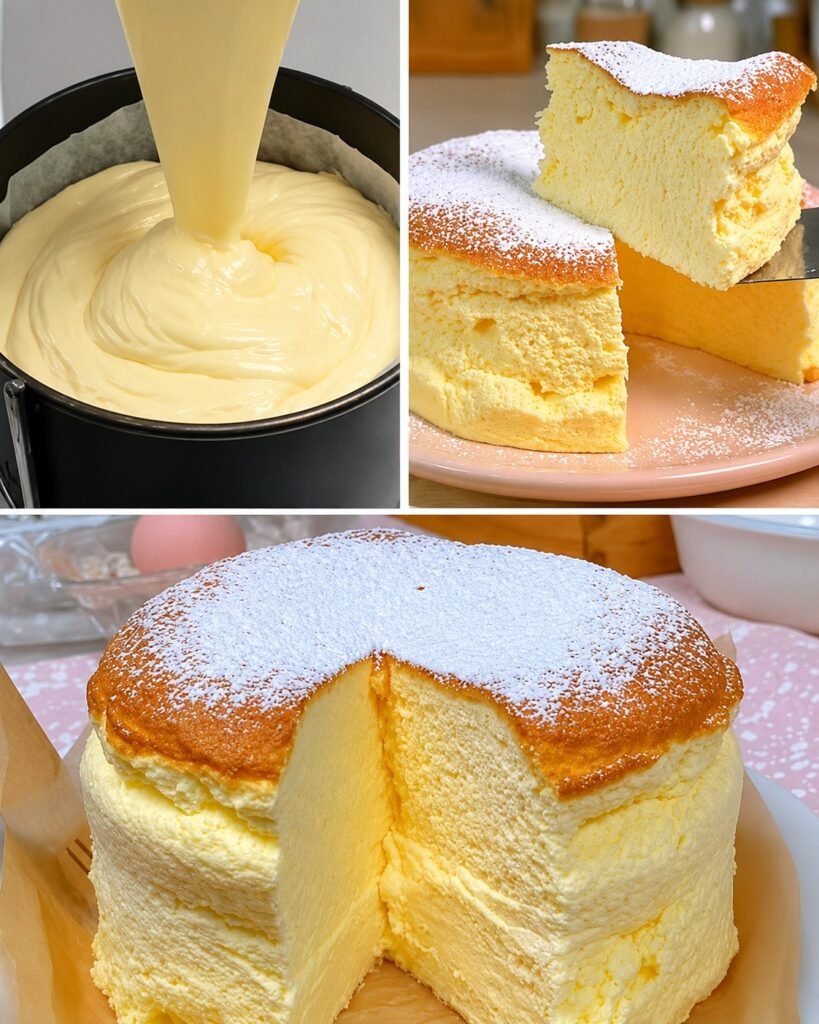

There’s something magical about a perfectly baked chiffon cake. With its cloud-like texture, delicate sweetness, and incredibly soft crumb, chiffon cake is one of the most elegant desserts you can make at home. It combines the airy lightness of a sponge cake with the moist richness of an oil-based cake, creating a dessert that feels both luxurious and comforting.
Whether you’re baking for a birthday celebration, afternoon tea, a family gathering, or simply satisfying a sweet craving, this homemade chiffon cake recipe is guaranteed to impress. Despite its bakery-quality appearance and texture, chiffon cake is surprisingly simple to prepare once you understand the basic technique.
The secret behind chiffon cake’s famous texture lies in whipped egg whites. These create tiny air pockets throughout the batter, allowing the cake to rise beautifully while remaining incredibly soft and fluffy. Unlike traditional butter cakes, chiffon cake uses vegetable oil, which helps keep it moist for several days.
If you have never baked a chiffon cake before, don’t worry. This beginner-friendly recipe walks you through every step and helps you achieve perfect results every time.
Why You’ll Love This Chiffon Cake Recipe
There are many reasons why chiffon cake has remained a favorite dessert around the world.
Light and Airy Texture
The whipped egg whites create a delicate structure that makes every bite feel soft and weightless.
Moist and Tender
Because the recipe uses vegetable oil instead of butter, the cake stays moist much longer than many traditional cakes.
Easy-to-Find Ingredients
Most of the ingredients are basic pantry staples that are already available in many kitchens.
Perfect for Any Occasion
This cake works beautifully for birthdays, tea parties, holidays, celebrations, or simple weekend desserts.
Customizable Flavors
Once you learn the basic recipe, you can easily create lemon, orange, chocolate, vanilla, or matcha chiffon cakes.
Ingredients
Dry Ingredients
- 2 cups cake flour
- 1½ cups granulated sugar
- 1 tablespoon baking powder
- ½ teaspoon salt
Wet Ingredients
- 7 large eggs, separated
- ½ cup vegetable oil
- ¾ cup warm water
- 2 teaspoons vanilla extract
- ½ teaspoon cream of tartar
These simple ingredients work together to create the signature airy texture that chiffon cake is famous for.
Step 1: Prepare the Oven
Begin by preheating your oven to 325°F (160°C).
Prepare a 10-inch chiffon cake pan or tube pan. One of the most important rules of chiffon cake baking is to never grease the pan. Unlike most cake recipes, chiffon cake batter needs to cling to the sides of the pan while baking so it can rise properly.
Greasing the pan may cause the cake to collapse or fail to rise to its full height.
Step 2: Mix the Dry Ingredients
In a large mixing bowl, combine:
- Cake flour
- 1 cup granulated sugar
- Baking powder
- Salt
Whisk the ingredients together thoroughly to ensure everything is evenly distributed.
Proper mixing helps create a smooth batter and ensures the baking powder is spread evenly throughout the flour.
Step 3: Add the Wet Ingredients
Create a well in the center of the dry ingredients.
Add:
- Egg yolks
- Vegetable oil
- Warm water
- Vanilla extract
Mix everything together until the batter becomes completely smooth and free from lumps.
The batter should have a silky consistency and flow easily from a spoon.
At this stage, avoid overmixing. Mix only until the ingredients are fully combined.
Step 4: Beat the Egg Whites
In a separate clean bowl, add the egg whites.
Using an electric mixer, begin beating the egg whites until they become foamy.
Add the cream of tartar and continue beating.
Gradually add the remaining ½ cup sugar while continuing to beat the mixture.
Keep mixing until stiff peaks form.
When you lift the beaters, the egg whites should stand upright without collapsing.
This step is the key to chiffon cake’s signature fluffiness. The trapped air inside the whipped egg whites expands during baking, creating a tall and airy cake.
Step 5: Fold the Egg Whites into the Batter
Using a spatula, gently fold the whipped egg whites into the batter.
Start by adding one-third of the egg whites and folding gently.
Then add the remaining egg whites in two batches.
Use slow, sweeping motions to combine the mixtures while preserving as much air as possible.
Avoid stirring aggressively because this can deflate the egg whites and reduce the cake’s volume.
The finished batter should look light, airy, and evenly combined.
Step 6: Pour into the Pan
Carefully pour the batter into the ungreased chiffon cake pan.
Use a spatula to spread it evenly.
Tap the pan gently on the counter once or twice to release any large air bubbles.
Do not overdo this step, as you want to maintain most of the air incorporated into the batter.
Step 7: Bake the Cake
Place the pan in the preheated oven.
Bake for approximately 50 to 60 minutes.
The cake is done when:
- The surface becomes golden brown
- The top springs back when lightly touched
- A toothpick inserted into the center comes out clean
Try not to open the oven door during the first 40 minutes of baking, as sudden temperature changes can affect the rise.
Step 8: Cool Upside Down
Once baked, remove the cake from the oven immediately.
Turn the pan upside down and allow the cake to cool completely.
Many chiffon pans have small feet that allow the pan to stand upside down. If your pan does not, you can carefully invert it over a bottle.
Cooling upside down prevents the delicate structure from collapsing under its own weight.
Allow the cake to cool completely before attempting to remove it from the pan.
Once cooled, run a thin knife around the edges and gently release the cake.
Helpful Baking Tips
Use Room Temperature Eggs
Egg whites whip more efficiently at room temperature, producing greater volume.
Measure Carefully
Accurate measurements help maintain the cake’s delicate balance of ingredients.
Keep the Mixing Bowl Clean
Even a small amount of grease can prevent egg whites from whipping properly.
Fold Gently
Gentle folding preserves the air bubbles that create the cake’s fluffy texture.
Cool Completely
Never remove the cake while it’s still warm. Patience helps maintain its beautiful structure.
Flavor Variations
One of the best things about chiffon cake is how easily it can be customized.
Lemon Chiffon Cake
Add:
- 2 tablespoons fresh lemon juice
- 1 tablespoon lemon zest
This creates a bright and refreshing citrus flavor.
Orange Chiffon Cake
Add:
- 2 tablespoons orange juice
- 1 tablespoon orange zest
Perfect for spring and summer desserts.
Chocolate Chiffon Cake
Replace ¼ cup of the flour with cocoa powder.
This variation creates a rich chocolate flavor while maintaining the cake’s airy texture.
Matcha Chiffon Cake
Add 1 tablespoon matcha powder to the dry ingredients.
The result is a beautiful green cake with a subtle earthy flavor.
Common Mistakes to Avoid
Overmixing the Batter
Overmixing removes air from the egg whites and creates a denser cake.
Opening the Oven Too Early
Sudden temperature changes may cause the cake to sink.
Greasing the Pan
Chiffon cakes need the pan’s surface for support while rising.
Removing Too Soon
Always cool completely before removing from the pan.
Underbeating Egg Whites
Soft or unstable egg whites may prevent the cake from reaching maximum volume.
Serving Suggestions
Chiffon cake is delicious on its own, but it becomes even more special when paired with simple toppings.
Try serving it with:
- Fresh strawberries
- Mixed berries
- Whipped cream
- Powdered sugar
- Chocolate drizzle
- Fruit compote
- Caramel sauce
- Vanilla glaze
Because chiffon cake is light and not overly sweet, it pairs beautifully with coffee, tea, or fresh fruit.
Storage Instructions
Room Temperature
Store in an airtight container for up to 2 days.
Refrigerator
Refrigerate for 4 to 5 days.
Allow slices to sit at room temperature for 15–20 minutes before serving.
Freezer
Wrap individual slices in plastic wrap and place them inside a freezer-safe container.
The cake can be frozen for up to 2 months.
Thaw overnight in the refrigerator before enjoying.
Frequently Asked Questions
What makes chiffon cake different from sponge cake?
Chiffon cake contains oil, while sponge cake typically does not. This makes chiffon cake softer and more moist.
Why did my chiffon cake collapse?
Common causes include underbaked cake, overmixed batter, or removing the cake before it has cooled completely.
Can I make chiffon cake without a tube pan?
A tube pan provides the best results, but a tall round pan can work if necessary.
Can I frost chiffon cake?
Yes. Whipped cream frosting, cream cheese frosting, and light buttercream frostings all pair wonderfully with chiffon cake.
Final Thoughts
Chiffon cake is a timeless dessert that combines elegance, simplicity, and incredible texture in every slice. Its airy structure, moist crumb, and delicate sweetness make it one of the most enjoyable homemade cakes you can bake.
Whether you serve it plain, topped with fresh fruit, or dressed up for a celebration, this fluffy chiffon cake is guaranteed to impress family and friends. Once you master the basic technique, you can create endless flavor variations and make this cake your own.
So gather your ingredients, preheat the oven, and enjoy the rewarding experience of baking this wonderfully soft and fluffy chiffon cake. One bite is all it takes to understand why this classic dessert continues to be loved around the world.